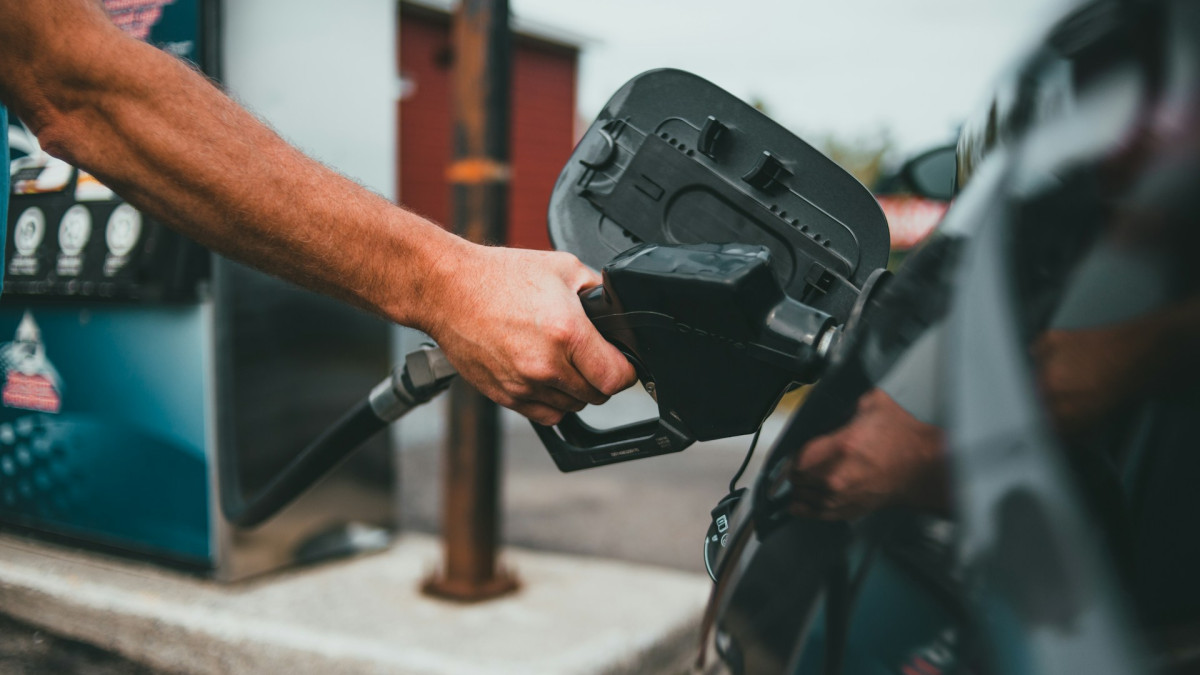
The October 14 Consumer Price Index showed that overall, prices for goods and services across the United States have risen 3.7 percent over the last 12 months, exacerbated by massive increases in energy costs. Gasoline shot up a punishing 34.2 percent and fuel oil (primarily used by consumers in residential heating) has skyrocketed 74.2 percent, driven in large part by oil and gas trade disruptions stemming from the United States and Israel’s war in Iran.
“That paints a dreary picture for Americans struggling with high costs, who likely won’t feel any relief at the pump in the near future — especially as more potential military action looms [in Iran],” Business Insider reported on Monday.
It’s a pretty cheerful picture if one’s primary concern is carbon dioxide emissions.
There are three ways that carbon dioxide emissions come down:
Voluntary limiting of use. I am pretty confident that this isn’t going to be a dominant factor, based on how people have acted en masse thus far.
Government rationing or similar restrictions on access to fossil fuel. I don’t think that this is terribly politically likely.
Price increases on fossil fuels. This is what’s been happening.
Now, I don’t know for how long those price increases will persist. But if you want less carbon dioxide emissions, you basically want one of #1, #2, or #3 to happen, and I think that #3 is probably going to be the most-realistically-plausible scenario.
Now, I don’t know for how long those price increases will persist
Years. We’re not getting out of Iran for years. There’s no reason to think this forever war is going to be any different than the forever wars of the past.
And the billionaire oil barons and war profiteers are making the decision makers generationally wealthy.
High prices will massively incentivize expanding fossil fuel production, which is exactly what is happening worldwide.
But the oil wells in the Middle East haven’t gone away. That oil will still make it to the atmosphere, sooner or later, and we will end up with an expanded production capacity.
Additionally, war is a terrible emitter.
Your scenarios aren’t wrong, but thing is they are all just temporary symptoms. The oil crises would need to be sustained, indefinitely, to stop those reduced consumption patterns from rebounding.
nope. if an american touches a bicycle it literally explodes. if they see a train they have a seizure, like the vampires from the ‘firefall’ books but for anti communism.


It’s a pretty cheerful picture if one’s primary concern is carbon dioxide emissions.
There are three ways that carbon dioxide emissions come down:
Voluntary limiting of use. I am pretty confident that this isn’t going to be a dominant factor, based on how people have acted en masse thus far.
Government rationing or similar restrictions on access to fossil fuel. I don’t think that this is terribly politically likely.
Price increases on fossil fuels. This is what’s been happening.
Now, I don’t know for how long those price increases will persist. But if you want less carbon dioxide emissions, you basically want one of #1, #2, or #3 to happen, and I think that #3 is probably going to be the most-realistically-plausible scenario.
Years. We’re not getting out of Iran for years. There’s no reason to think this forever war is going to be any different than the forever wars of the past.
And the billionaire oil barons and war profiteers are making the decision makers generationally wealthy.
If the disruption is temporary, it’s bad.
High prices will massively incentivize expanding fossil fuel production, which is exactly what is happening worldwide.
But the oil wells in the Middle East haven’t gone away. That oil will still make it to the atmosphere, sooner or later, and we will end up with an expanded production capacity.
Additionally, war is a terrible emitter.
Your scenarios aren’t wrong, but thing is they are all just temporary symptoms. The oil crises would need to be sustained, indefinitely, to stop those reduced consumption patterns from rebounding.
I’m actually okay with limited plastic production. that shit’s useful.
Trump’s Green New Deal will force yankees to switch to electric.
Suuuuuuure it will.
that’ll work until there’s no electricity left for the commoners.
You’re right, we need that electricity for data centers.
Yankees can ride their bikes or walk.
nope. if an american touches a bicycle it literally explodes. if they see a train they have a seizure, like the vampires from the ‘firefall’ books but for anti communism.