The kernel has a ton of optional modules that they’d be stupid to include them all. They certainly don’t need support for an obscure Quebec companies GPUs that stopped producing in the 90s.
Its pretty standard operating to cut out any cruft you can, saves on storage, boot times, etc. This one was probably saving milliseconds and kilobytes, so presumably not much thought was given to disabling it, nor needed to reenable it.
Still needs to be read from disk/flash, for the kernel to know it exists. And more relevantly every module has a number of dependencies that will all contribute to size/boot times in their own way.
Maybe even milliseconds is giving it too much, but bloat is really important especially near the release of new hardware.
I imagine the last thing anyone was worried about in crunch time was if they enabled enough random hardware in their config file.
Have you ever configured the kernel? As in make menuconfig.
There’s a zillion options in there and best practices dictates that you only enable that which you need. For example, why would you enable support for sound cards that don’t exist in your board? Beyond wasting space, it could enable some vulnerability discovered in the future.
Example: My PC doesn’t have a MIPI DSI display connector (or support for one on the motherboard), so why would I enable support for that in my kernel? Sure, I could compile it as a module and let it sit there, taking up a few kilobytes of space on my hard drive but why?
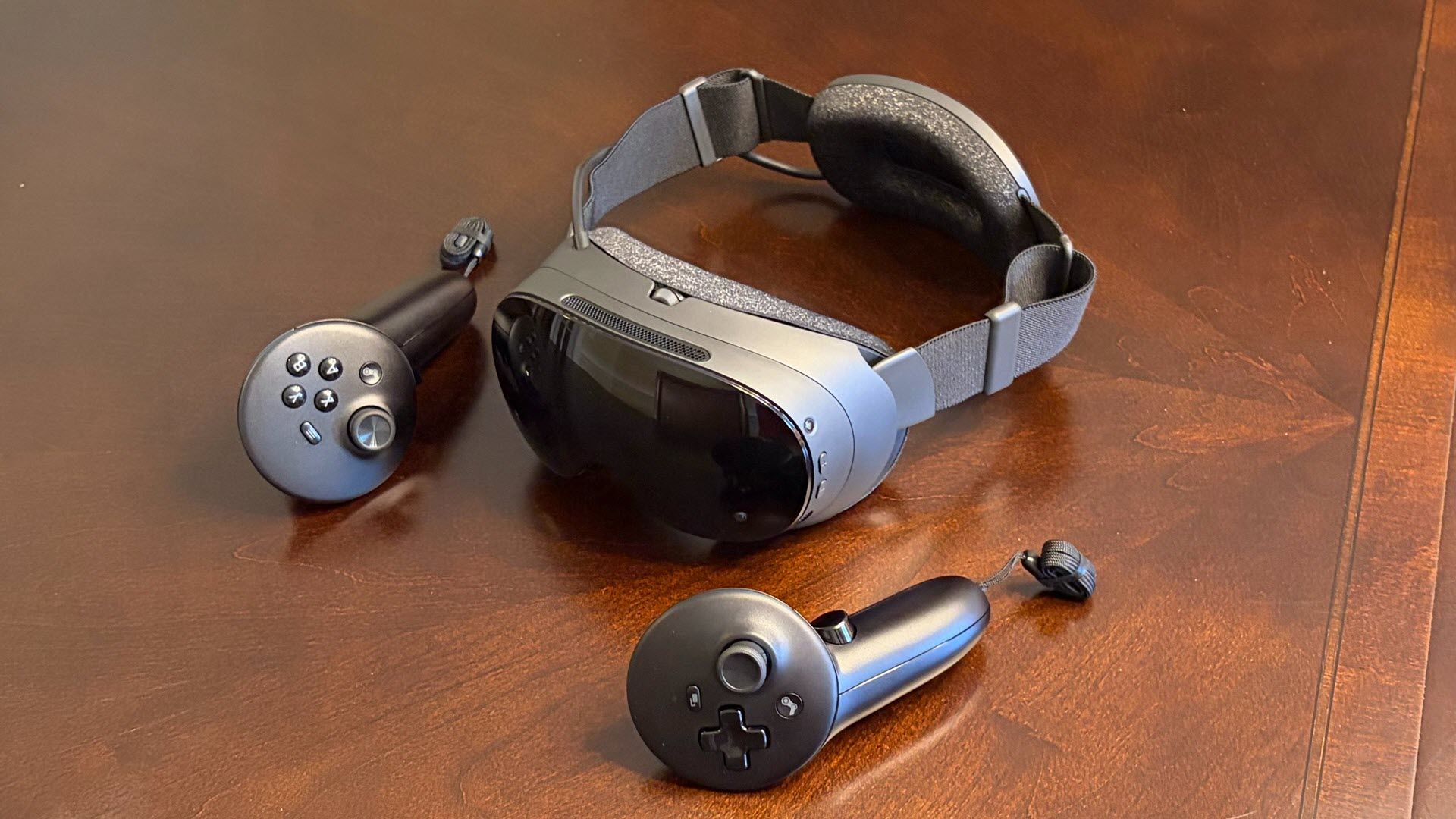
It makes no sense to support CD ROMs on a VR headset so I completely understand why they didn’t enable the driver. Even though it’s a “real PC”, the Steam Frame is still embedded hardware.
I want to know why this person wants CD ROM support! The Steam Frame has at least a 256GB SSD and a Micro SD card slot. Just put the ISO (or .bin/.cue files) on one of those and mount it like any other loopback filesystem or use FUSE cdemu (yes, Linux has support for that built-in; unlike Windows haha). It’ll be a zillion times faster and a vastly superior experience!
Aside: Yes, I know Windows 11 can natively mount an ISO file but it only supports a limited subset of the filesystems that you can find on CD/DVD ROMs. So unless the image is ISO9660 with the Joilet extension or UDF, it’s not going to work. Example: Trying to mount a PS1 CD ROM works in Linux but not Windows. Not without 3rd party stuff, anyway.


Why bother disabling cdrom drivers in the first place? It comes with the kernel for decades and costs virtually nothing to load.
The kernel has a ton of optional modules that they’d be stupid to include them all. They certainly don’t need support for an obscure Quebec companies GPUs that stopped producing in the 90s.
Its pretty standard operating to cut out any cruft you can, saves on storage, boot times, etc. This one was probably saving milliseconds and kilobytes, so presumably not much thought was given to disabling it, nor needed to reenable it.
Again?! An unwarranted attack by the anglophones against the Québécois GPU artisans!
L’enterrement de cyber-crapaud!!
Listen here frenchy!
How unloaded kernel module can slow boot time?
Still needs to be read from disk/flash, for the kernel to know it exists. And more relevantly every module has a number of dependencies that will all contribute to size/boot times in their own way.
Maybe even milliseconds is giving it too much, but bloat is really important especially near the release of new hardware.
I imagine the last thing anyone was worried about in crunch time was if they enabled enough random hardware in their config file.
Have you ever configured the kernel? As in
make menuconfig.There’s a zillion options in there and best practices dictates that you only enable that which you need. For example, why would you enable support for sound cards that don’t exist in your board? Beyond wasting space, it could enable some vulnerability discovered in the future.
Example: My PC doesn’t have a MIPI DSI display connector (or support for one on the motherboard), so why would I enable support for that in my kernel? Sure, I could compile it as a module and let it sit there, taking up a few kilobytes of space on my hard drive but why?
It makes no sense to support CD ROMs on a VR headset so I completely understand why they didn’t enable the driver. Even though it’s a “real PC”, the Steam Frame is still embedded hardware.
I want to know why this person wants CD ROM support! The Steam Frame has at least a 256GB SSD and a Micro SD card slot. Just put the ISO (or .bin/.cue files) on one of those and mount it like any other loopback filesystem or use FUSE
cdemu(yes, Linux has support for that built-in; unlike Windows haha). It’ll be a zillion times faster and a vastly superior experience!Aside: Yes, I know Windows 11 can natively mount an ISO file but it only supports a limited subset of the filesystems that you can find on CD/DVD ROMs. So unless the image is ISO9660 with the Joilet extension or UDF, it’s not going to work. Example: Trying to mount a PS1 CD ROM works in Linux but not Windows. Not without 3rd party stuff, anyway.
Free good publicity for “fixing” it.
Uhm, they just did not thought of enabling the kernel module because it’s an embeeded system that has no CD/DVD/BlueRay reader…
… it’s intended to have stuff added to it. It’s like having a modular pc without the drivers for controllers or a keyboard and mouse.
No one though of adding a CD drive to a VR apparently, which makes sense considering you are supposed to move with a VR